





_4.jpg)
Key Takeaways
Vacancy rate, turnover time and cost, and maintenance spending are three of the most useful KPIs for measuring rental performance.
Days to lease and cost per turn can expose inefficiencies that reduce cash flow.
Comparing current results with your property's past performance can help identify pricing, condition, leasing, or maintenance issues.
Transparent reporting makes it easier to evaluate whether a property manager is controlling costs and responding to problems quickly.
Tracking performance over a full year provides a clearer picture than relying on a single month or quarter.
Every rental owner knows vacancy costs money. What many owners do not track is how much vacancy, turnover, and maintenance are affecting the property's overall performance.
Rental KPIs give you a clearer picture of whether your investment is producing the cash flow you expect. Three of the most useful are vacancy rate, turnover time and cost, and maintenance spending as a percentage of rent. Together, these metrics can show whether your property is leasing efficiently, whether turns are taking too long, and whether repair costs are becoming difficult to control.
KRS Charlottesville and other professional property managers monitor these numbers regularly to spot problems before they become more expensive.
Vacancy Rate: Your Biggest Profit Leak
Vacancy rate measures the percentage of time a rental sits empty during a given period. For a full year, divide the number of vacant days by 365 and multiply by 100.

For example, a property vacant for 30 days has an annual vacancy rate of about 8.2%. A 45-day vacancy equals roughly 12.3%.
Vacancy matters because an empty unit produces no rent while many ownership expenses continue. The IRS notes that owners renting residential property may still have expenses such as mortgage interest, property taxes, insurance, utilities, and maintenance, all of which can affect cash flow when a unit is vacant.
The length of a vacancy can reveal other problems. If a property takes much longer to lease than similar rentals, the rent may be too high, the condition may be below market expectations, or the leasing strategy may need improvement.
Track vacancy over time rather than reacting to one event. Repeated long vacancies are a pattern worth investigating.
Turnover Time and Cost
Turnover cost is the expense required to prepare a unit for the next resident, including cleaning, repairs, painting, flooring, and appliance work.
Turnover time measures how long it takes to complete that work and make the property available.
These numbers should be reviewed together. A 30-day turn before marketing begins can significantly extend vacancy and cost the owner more than a month of rental income.
Turnover cost also needs context. A $3,000 turn involving major flooring or appliance replacement may be justified, while the same amount spent on minor cosmetic work deserves a closer look.
Compare current turnover expenses with previous turns. If costs rise sharply, consider property condition, labor, materials, and vendor selection.
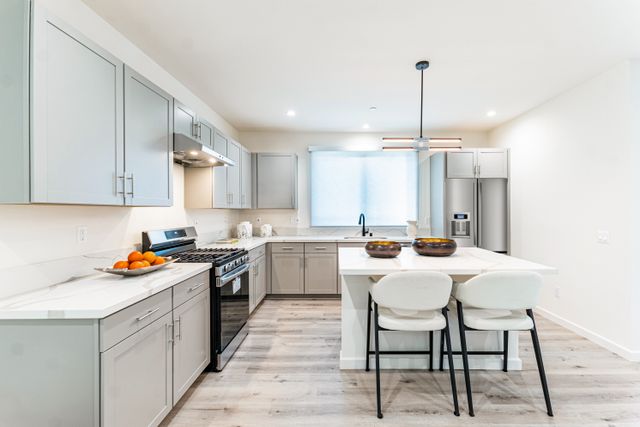
Speed matters too. Saving on repairs may not help if delays create additional vacancy. The goal is to balance cost, quality, and speed.
Maintenance Spending as a Percentage of Rent
Maintenance includes routine repairs and upkeep such as plumbing, HVAC service, appliance repairs, pest control, landscaping, and minor property repairs. Under Virginia law, landlords are responsible for maintaining fit premises, including keeping major systems and supplied appliances in good working order.
A useful way to track this spending is as a percentage of gross rent collected. This gives owners a consistent way to compare maintenance costs from year to year, even if rent changes.
A single expensive repair can distort one month, which is why maintenance spending is better reviewed over several months or across a full year.
If the percentage rises steadily, investigate the cause. Older systems may be failing more frequently, deferred maintenance may be catching up with the property, or individual repairs may not be priced efficiently.
It is also important to separate routine maintenance from capital improvements. Replacing a roof or HVAC system is different from repairing a leaking faucet. Mixing those categories can make ordinary maintenance spending look worse than it really is.
A property manager should be able to explain unusual increases in repair costs, provide work-order details, and show whether recurring problems are being addressed instead of repeatedly patched.
How Property Managers Should Report These KPIs
A professional property manager should provide clear financial reporting that allows owners to understand rent collected, expenses paid, maintenance activity, and overall cash flow.

Owner statements and portals can also help you monitor vacancy periods, work orders, turnover expenses, and repair costs without waiting until year-end.
KRS Charlottesville provides owner reporting that includes statements, rent collection information, expense details, and maintenance activity. That visibility makes it easier to identify trends and ask questions while issues are still manageable.
When evaluating a property manager, ask how they track:
Average days to lease.
Turnover time and cost.
Maintenance spending.
Vacancy trends.
Property-level income and expenses.
The point is not to demand perfect numbers every month. It is to understand what is happening and why.
Benchmark Against Your Own Property History
Market averages can provide useful context. The U.S. Census Bureau’s Charlottesville housing data provides local benchmarks such as median gross rent and other housing indicators. However, one of the most useful benchmarks is your property’s own history.
If vacancy was consistently low for several years and suddenly rises, something has changed. Rent may no longer be competitive, the property may need improvements, or leasing performance may have weakened.
The same principle applies to turnover and maintenance. If turns that once cost $1,500 now regularly cost $2,500, compare the work performed and determine whether the increase is justified. If maintenance costs rise year after year, the property may be aging or recurring issues may need a more permanent solution.

Seasonality can also affect leasing performance, particularly in a market like Charlottesville with significant university-related demand. That is another reason to review a full year rather than drawing conclusions from one month or quarter.
Once you have 12 months of data, you can set realistic targets and spot meaningful changes more quickly.
Read the Numbers Together
High vacancy combined with high turnover costs may indicate that the property is taking too long to prepare and lease. High maintenance costs combined with frequent turnover may point to condition issues or deferred capital work.
On the other hand, low vacancy, controlled turnover costs, and stable maintenance spending generally indicate a more predictable operating pattern.
No single KPI tells the entire story. The numbers work best when they help you ask better questions about pricing, property condition, leasing strategy, maintenance, and management performance.
Bottom Line
Rental KPIs turn day-to-day property activity into information you can actually use. Vacancy rate shows how much income is being lost between residents. Turnover time and cost reveal how efficiently the property is being prepared for the next lease.
Maintenance spending shows whether routine repairs are staying manageable or beginning to erode cash flow. Track these figures consistently, compare them with your property's own history, and review unusual changes instead of focusing on one isolated month.
A professional property manager who reports these numbers clearly and can explain why they are changing gives owners better visibility into the performance of their investment.
Frequently Asked Questions
What Is a Good Vacancy Rate for a Rental Property?
There is no single vacancy rate that works for every property. Location, property type, rent, condition, and season all affect how quickly a unit leases. Track your property's annual vacancy rate and compare it with prior years and relevant local market data. A sudden increase is a signal to review pricing, condition, and leasing strategy.
How Much Should Turnover Cost for a Single-Family Rental?
Turnover cost varies based on the property's condition and the work required. A basic cleaning and minor repair turn will cost far less than one involving flooring, painting, or appliance replacement. What matters most is that the work is itemized, necessary, and reasonably consistent with previous turns and local pricing.
What Percentage of Rent Should I Budget for Maintenance?
Maintenance budgets vary by property age, condition, systems, and usage. Rather than relying on one universal percentage, track maintenance as a share of annual rent and compare that figure with your property's past performance. A sustained increase deserves closer review.
How Do I Know if My Property Manager Is Tracking KPIs Effectively?
A good manager should be able to provide clear owner statements and explain key numbers such as days to lease, turnover cost, maintenance spending, and vacancy trends. Reporting should make it easy to understand what changed and why.
Should I Track KPIs Differently for Student Rentals and Long-Term Rentals?
The core KPIs are the same, but expectations may differ. Student rentals often follow the academic calendar and may experience concentrated turnover periods, while long-term rentals tend to have more staggered lease dates. Compare each property with similar rentals and its own historical performance rather than applying the same seasonal expectations to every unit.
