





Are you thinking of buying an investment property in Charlottesville, VA? You should go for it!
Real estate investments offer significant potential as property values tend to rise over time. By holding onto a property, you can grow your wealth with minimal effort. Renting out the property provides both long-term appreciation and passive income.
Charlottesville, VA, is an excellent choice for real estate investment. Located in the Blue Ridge Mountains' eastern foothills, the city boasts a strong economy and high housing demand.
The local government has designated a 330-acre Strategic Investment Area (SIA) with great growth potential, offering low density, available land, and prime location for investment.
If you’ve never invested in real estate before, it pays to follow insider tips to make the most out of your investment. In order for a rental investment to succeed, you do need to put in the research and study hours.
In this article, the experts at KRS Charlottesville will help you! We’ll go into the basics of buying an investment property in Charlottesville. Keep reading to learn how you can maximize the potential of your rental property purchase! Keep reading to learn more!

Top Tips for Real Estate Investments in Charlottesville
While Charlottesville is a ripe area for real estate investments, this doesn’t mean that every rental property in the city will thrive.
After all, not all neighborhoods have the same tenant demand or property values. Due diligence and research are crucial before buying a rental property to assess its profitability, risks, and long-term potential.
Here are some tips for successfully investing in the Charlottesville real estate market:
Find Properties in Your Price Range
Overspending is one of the biggest mistakes you can make as an investor. Buying a property outside of your price range could result in higher profits.
However, it will also result in higher down payments, increased mortgage payments, property taxes, insurance premiums, and maintenance costs. If you don’t budget appropriately for these expenses, you could end up with a negative bottom line.
Before browsing properties in Charlottesville, consider the type of property you want to invest in. The city offers a range of options, from tiny homes and condos to large mansions and farmhouses.
Set a realistic budget to narrow down your choices and avoid being overwhelmed by the market. Remember to factor in taxes, payments, and fees, as these can add up significantly.
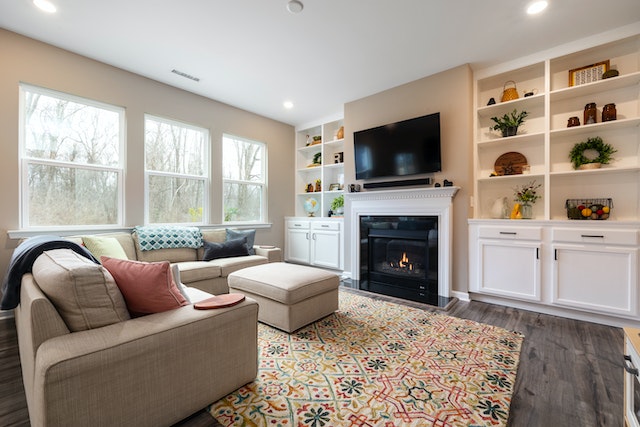
Opt for High-Rent Neighborhoods
Not all Charlottesville neighborhoods have the same amenities, crime rates, transport hubs, schools, and conveniences.
Because of this, not all neighborhoods have the same demand for rental accommodations. To ensure a successful rental, you must invest in an area with high tenant demand and top amenities.
Here’s a list of factors high-rent areas commonly tend to have in common:
- Public Transportation Access: Convenient options for non-drivers or city dwellers.
- Safety: Low crime rates and a sense of security.
- School Quality: Highly rated schools for families with children.
- Shopping and Dining: Nearby grocery stores, restaurants, and retail options.
- Recreation and Green Spaces: Parks, trails, and recreational facilities for outdoor activities.
- Community Atmosphere: Friendly, quiet, or lively, depending on tenant preferences.
- Healthcare Facilities: Proximity to hospitals, clinics, and pharmacies.
- Walkability: Easily accessible amenities and pedestrian-friendly streets.
- Entertainment and Culture: Access to theaters, museums, and nightlife.
- Future Development: Potential for growth or improvements in the area.
- Parking Availability: Convenient and safe parking for vehicles.
- Pet Friendliness: Dog parks, pet-friendly policies, and nearby veterinary clinics.
- Noise Levels: Quiet streets and minimal noise from traffic or businesses.
- Internet and Cell Service Quality: Reliable connectivity.

Ideally, you’ll want to purchase a property in an area that has all these characteristics. If you come across several neighborhoods that seem like a good option, you can find the best one by comparing the current rental rates online.
Crunch the Numbers
A rental property is a long-term investment. Before singing any property deals, you should carefully crunch the numbers to ensure the investment is financially viable and aligns with your long-term goals.
Calculating potential rental income will provide insight into monthly cash flow, while analyzing expenses, such as maintenance, taxes, and insurance, will reveal the property’s true operating costs.
The calculations will help you evaluate the potential return on investment (ROI) and long-term profitability of a property. Additionally, calculating metrics like the cap rate and cash-on-cash return will enable you to compare properties objectively and make informed decisions.
Partner with a Property Management Company
Managing a rental property is not easy. Dealing with tenant requests, property maintenance, unexpected repairs, vacancy risks, rent collection issues, legal compliance, and market fluctuations requires a lot of work and around-the-clock availability.
It also demands the ability to work under pressure. If that’s not your forte, you could greatly benefit from hiring a property management company.

Your Charlottesville rental property needs to be habitable at all times. A property management company can take care of regular upkeep and repair needs.
They can also answer emergency requests and neighbor complaints promptly. By partnering with a company like KRS Charlottesville, you can rest easy knowing your rental property is always in good condition and your tenants are always happy!
Bottom Line
Charlottesville is a beautiful city with ample local attractions, a welcoming community, and a strong local economy, all of which make it incredibly popular with renters.
If you’re considering investing in the Charlottesville real estate market, you should do your research and due diligence first.
By setting a realistic budget, opting for high-rent areas, and making the necessary calculations, you’ll be able to ensure the long-term success of your investment.
If you're looking for a dedicated property management company in Charlottesville, contact us at KRS Property Management now!
